

Principal Investigators


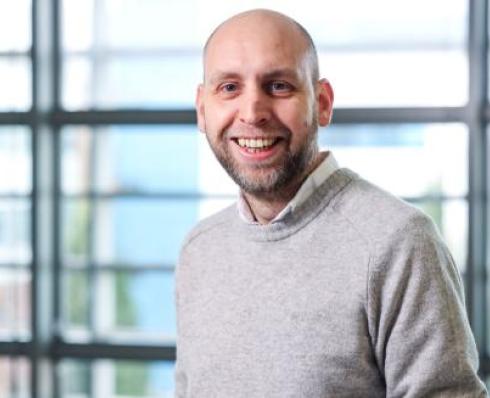

Paul Buchanan is an Assistant Professor in the School of Nursing, Psychotherapy and Community Health (SNPCH) and a member of DCU’s Life Sciences Institute (LSI). As Principal Investigator of the Biomedical Sciences Laboratory his general research interests lie in understanding the role of ion channels in disease. Primarily focusing on investigating the impact of aberrant calcium handling in cancer and how this can be exploited for therapeutic benefit.
Dr Buchanan has acquired 15 years research experience in the fields of molecular biology and electrophysiology working in several world leading institutes. Graduating from Queen’s University Belfast (QUB) with a BSc (Hons) in Biochemistry, followed by a PhD in “Pathogen-Host interactions in the Cystic Fibrosis epithelium”. His first postdoctoral position was at the Royal College of Surgeons in Ireland (RCSI) before returning to QUB as a senior postdoctoral fellow within the Centre for Cancer Research and Cell Biology (CCRCB). In 2016 he took up the position of Biosciences Lecturer in Dublin City University (DCU).
Currently his research focuses on investigating functional intracellular calcium handling phenotypes associated with (1) cancer driver gene mutations and (2) treatment pressures in breast and prostate cancer. Alongside targeting identified calcium aberrations with pre-clinical or repurposed calcium channel drugs as novel therapeutic approaches either alone or in combination within existing approved therapies.
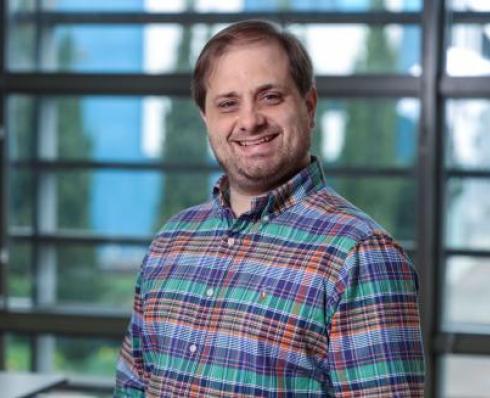

Denis Collins is an Assistant Professor in the School of Biotechnology, a DCU Life Sciences Institute member and Principal Investigator of the Cancer Biotherapeutics Research Group. Biotherapeutics (biologics or biotech drugs) are at the forefront of modern cancer chemotherapy. Examples include the monoclonal antibody trastuzumab, the antibody drug conjugate T-Dxd, and the immune checkpoint inhibitor pembrolizumab. The goal of the Cancer Biotherapeutics Research Group is to fully exploit the potential of biotherapeutics, alone or in combination with other drugs, to generate treatment option rationale for cancers with an unmet clinical need.
Denis completed his undergrad in Biochemistry at University College Cork and his PhD thesis on drug resistance in lung cancer at DCU. He has held an IRCSET Enterprise Partnership Scheme Postdoctoral Fellowship (the immune response to antibody therapies), a Roche Postdoctoral Fellowship (HER4 mutations) co-located between DCU and the Roche Innovation Center Munich, Germany and the Caroline Foundation Senior Research Fellowship in DCU. Denis is currently Co-PI on the Science Foundation Ireland Strategic Research Partnerships Programme Award ACORN, a member of the Irish Association for Cancer Research Senior Council and core group member of the IMMUNO-model COST Action.
Utilising cutting-edge laboratory techniques and unique 2D and 3D cancer models, the Cancer Biotherapeutics Research Group focusses on:
-
Understanding the interplay between biotherapeutics and the immune system to find new therapeutic targets or potential synergistic combinations
-
Determining the underlying mechanisms of innate and acquired resistance to biotherapeutics that limit the efficacy of these drugs in the clinic
-
Identifying patients that will most benefit from biotherapeutics through the analysis of patient-derived translational material from national and international clinical trials.


Dr Neil Conlon is the CCRT Stimson research fellow based in Dublin City University and a member of the Life Sciences Institute. Neil is group lead of the Breast and Gynaecological Oncology Targeted Therapies research group in DCU. The group aims to find new treatment options for breast and gynaecological cancers, using a comprehensive pre-clinical approach to investigate potential new treatments. The group also examines how drugs that are approved for other diseases can be repurposed to treat poor prognosis cancers. Key technical skills include kinetic fluorescent microscopy, adherent and 3D cancer modelling, and in vivo xenograft drug assessment.
Neil received a BSc (Double Hons.) in Biology and Chemistry from Maynooth University in 2013. Following this, he completed his PhD in Cancer Biology at DCU in 2018. His PhD examined the ways in which breast cancers can become resistant to HER2-targeted therapies. Neil conducted postdoctoral research in DCU funded by Puma Biotechnology and was then awarded an Irish Research Council Enterprise Partnership Scheme postdoctoral fellowship. In 2020, Neil received the EACR junior investigator award from the Irish Association for Cancer Research. His group has been funded through national exchequer funding, charity and industry partnerships. He is an IACR junior council member and management committee member for the COST Action Gynocare.
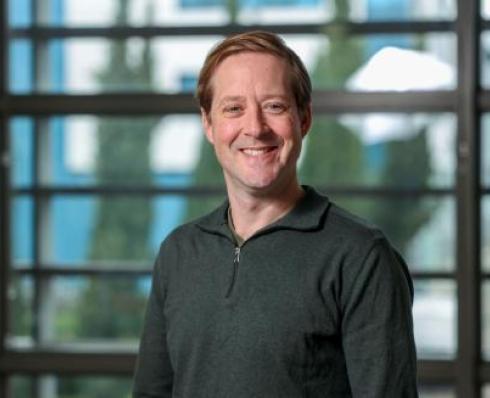

Alex J Eustace is an Assistant Professor in the School of Biotechnology and a Principal Investigator in the Life Sciences Institute in Dublin City University. The Eustace Research lab aims to understand the role of genomic alterations (both coding and non-coding) and identify their functional role in treatment response and resistance. The aim of the Eustace lab is to use this knowledge to improve treatment outcomes for those who suffer from cancer.
Dr Eustace completed his PhD in DCU in 2010 and started his Post-Doctoral studies under the guidance of Prof John Crown, as part of the SFI funded Research Cluster, Molecular Therapeutics for Cancer in Ireland. In 2012 Dr Eustace was a co-Applicant on a successful Health Research Award with Prof Bryan Hennessy and moved to the Royal College of Surgeons in Ireland. Dr Eustace held positions as Research Fellow and Senior Research Fellow in RCSI until 2017. In 2017 Prof Crown recruited Dr Eustace to lead his research team in DCU, Molecular Therapeutics for Cancer in Ireland. Dr Eustace was promoted to the role of Assistant Professor in 2021. Dr Eustace has received funding from both industrial and exchequer funding. He has received significant funding from the Health Research Board and was a PI on the SFI Infrastructure award AUTOPILOT. In recognition of Dr Eustace’s achievements, he was awarded the Royal Academy of Medicine in Ireland St. Luke’s Young Investigators Award in 2016.
Research from the Eustace lab has identified novel combinatorial approaches to treat patients with breast cancer and has led to the initiation of clinical trials in women with breast cancer. The lab continues to pursue novel treatment strategies to treat cancer but has interests in drug discovery and drug delivery systems. More recently the Eustace lab has focused on the identification of non-coding mutations in breast cancer. The group now aims to functionally determine the role of non-coding mutations in cancer and whether they represent novel treatment targets for cancer.
View Alex's Cancer Research Projects
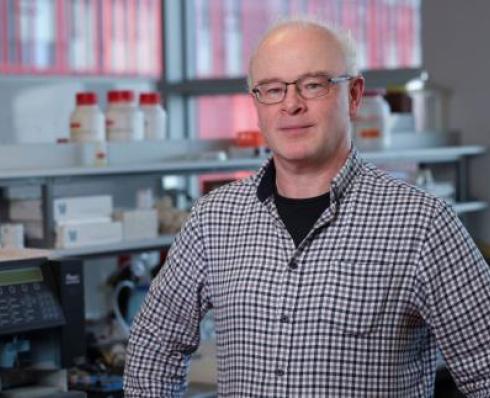

Dr Darren Fayne started as an Assistant Professor in Computational Chemistry in DCU in 2024. His Molecular Design Group (MDG) creates and applies computer-aided drug design technologies to discover and develop novel small molecules that modulate the activity of proteins involved in disease pathogenesis. Darren is an adjunct Assistant Professor in TCD, a member of the Irish Association of Cancer Researchers, the LSI, Irish Association of Pharmacologists, the American Chemical Society and a Fellow of the Institute of Chemistry of Ireland.
Darren holds a degree in Applied Chemistry and PhD in computational and organic chemistry from Dublin City University. He has an M.Ed. in Higher Education from Trinity College Dublin. He worked for two years at Solvay Pharmaceuticals in Hannover, Germany as a molecular designer from March 2003. While with the Computer-Aided Drug Design Group he focused on two main therapeutic areas of research: cardiovascular disease and gastroenterology (IBS/IBD). In July 2005 Darren joined the Molecular Design Group in Trinity College Dublin as a Senior Research Fellow. Darren has lead a number of successful small molecule hit-finding research programmes against various protein targets including – androgen receptor (AR), farnesoid X receptor (FXR), peroxisome proliferating activated receptor gamma (PPARγ), glucocorticoid receptor (GR), estrogen receptor α and β (ER), tubulin, caspase 6, macrophage migration inhibitory factor (MIF), toll-like receptor 4/myeloid differentiation 2 (TLR4/MD2), plasmepsins, IL-17, Viral infectivity factor (Vif), Lipoprotein signal peptidase (LspA), cytochrome P450, SARS-CoV-2 nsp3, SARS-CoV-2 nsp13, along with novel compounds demonstrating in vivo efficacy against malignant pleural mesothelioma, lung cancer and sepsis. In the late 2000’s, he co-founded and served as a director of a rational drug design campus spin-out company to commercialise intellectual property and develop compounds for the treatment of an orphan cancer – malignant pleural mesothelioma.
Darren is interested in meeting potential collaborators intent on discovering small molecules with the potential to treat disease.

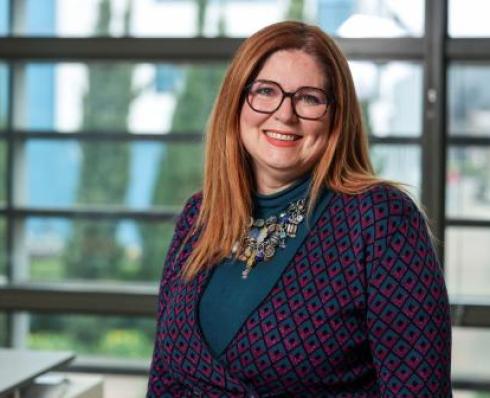

Silvia Giordani is Professor Chair of Nanomaterials in the School of Chemical Sciences at Dublin City University. As Principal Investigator of the Giordani Laboratory and LSI member, her research interests are in the design, synthesis, and characterization of a wide range of nanomaterials for applications in smart and responsive bio-related nanotechnologies.
Silvia received her PhD in Chemistry from the University of Miami, USA and carried out postdoctoral research at Trinity College Dublin (TCD), Ireland and at the University of Trieste, Italy. In 2007 she received the prestigious President of Ireland Young Researcher Award and was a Research Assistant Professor at TCD from 2007 to 2013. In September 2013 she founded the new “Nano Carbon Materials” research lab at the Istituto Italiano di Tecnologia (IIT) and in December 2016 she was appointed Associate Professor in Organic Chemistry at the University of Turin, Italy.
Silvia has held the Head of School role at DCU from 2020 to 2023.
Recent research and publications from the Giordani group have focused on the development of novel drug delivery systems based on carbon nanoparticles for cancer therapy.
She has authored over 150 peer-reviewed publications in International journals from 2001 to date that collectively have received over 9,000 citations. She has also presented her work at numerous conferences around the world e.g. in United States, Canada, Japan, New Zealand, India, Saudi Arabia, Argentina, Brazil, Chile and across most of Europe. She is Associate Editor for Beilstein Journal of Nanotechnology and for Frontiers in Chemistry - Supramolecular Chemistry.
View Silvia's Cancer Research Projects
Read Prof Giordani’s full profile including publications here
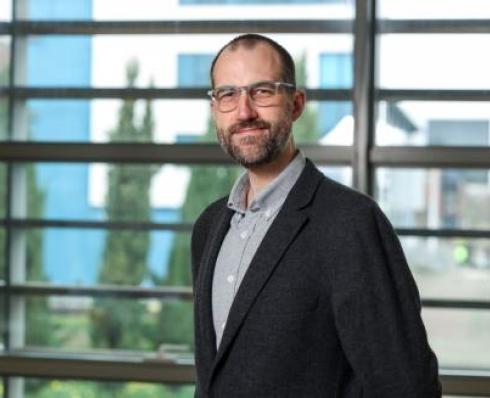

Janosch Heller is an Irish Research Council Laureate and Assistant Professor of Biomedical Sciences in the School of Biotechnology at DCU. Additionally, Janosch is an Honorary Lecturer at University College London Queen Square Institute of Neurology, UK. As Principal Investigator and LSI member, his research focusses on astrocytes and brain waste clearance as therapeutic targets in neurological diseases.
Janosch has worked in Neuroscience for over 15 years. He obtained a Diplom in Biology with a focus on Biochemistry, Genetics and Organic Chemistry from the University of Cologne, Germany before moving to the UK in 2009. There, he completed a PhD in Clinical Neurosciences under the supervision of Prof James Fawcett and Prof Keith Martin at the University of Cambridge. His research focused on activating integrins as therapeutic strategy in spinal cord injury and age-related macular degeneration. Afterwards, Janosch moved to the Queen Square Institute of Neurology at University College London, UK as a Research Associate to work with Prof Dmitri Rusakov. He was the first to establish single molecule localisation microscopy at the Institute and investigated the nano-environment of tripartite synapses. In 2018, Janosch joined the Royal College of Surgeons in Ireland and the SFI Research Centre FutureNeuro as a Marie Skłodowska-Curie Fellow. His project AstroMiRimage aimed at deciphering microRNA control of local translation in astrocytic processes in epilepsy. In 2020, Janosch moved to the School of Biotechnology at DCU to start his independent research group. He has been International Convenor for the School, continues to sit on several committees, including the EDI Committee, and is programme chair of the MSc in Biotherapeutics.
Recent research from the Heller group has focused on several streams of investigation: (1) Deciphering the role of the brain’s waste clearance system as an underlying mechanism of pathophysiology in neurological diseases using advanced microscopy, including super-resolution microscopy techniques stimulated emission depletion microscopy (STED) and single-molecule localisation microscopy (SMLM); (2) Assessing the role of extracellular vesicles as biomarkers of disease and carriers of therapeutics at the neurovascular unit; and (3) Creating novel in vitro models of the blood-brain barrier and the glymphatic system to test novel treatment options for neurological diseases in a pre-clinical setting.
View Janosch's Cancer Research Projects
Read Janosch Heller’s full profile including publications here


Dr Susan Kennedy is a Consultant Histopathologist working in Academic public and Private Hospital sites. She has set up a core histopathology laboratory in LSI which can support histology and immunohistochemistry studies. Her research interests are in translational research in melanoma, and head and neck cancers. She has an active research programme in DCU focusing on uveal and conjunctival melanoma in collaboration with prof Naomi Walsh and prof. Anne Parle McDermott.


Dr Paul Leonard is an associate Professor in Biotherapeutics at Dublin City University (DCU) leading research in biomolecular interaction analysis, immunoassay development, technology development, single cell analysis, biologics discovery and diagnostics across multiple biomedical and environmental application areas.
Paul is an innovative entrepreneur and technology inventor with over 20 year’s post Ph.D. experience in academic and industrial research and senior management roles in clinical and pre-clinical stage companies. He is a co-founder and previous CSO/CTO of Remedy Biologics Ltd. Based on technology invented in his lab, Paul spun the company out of Dublin City University, raising >€15M in non-dilutive and equity-based financing. He also led the development of partnership deals with big pharma, academic and clinical institutions. Paul is also a previous director and head of R&D at Vaccinogen Ireland responsible for leading the Company’s overall cancer therapeutics strategy in Ireland. He has also been a consultant to the life sciences industry including holding roles as advisor to senior management, entrepreneur in residence, scientific and business strategy advisor, IP and technical expert.
Paul has a broad multidisciplinary experience in both academic and industrial research programme management, including combining innovation in biomedical platform development with novel approaches for analysing human cell biology at the single cell level. He has a strong record in translating early-stage research into commercial utility including IPR asset management. His team continue to develop technologies and assays for biomedical and environmental applications.


Dr Gary Lawrence is Assistant Professor of Molecular Neurobiology in the School of Biotechnology at Dublin City University. His research interests are in functional neurobiology as it relates to human health, with a particular focus on the use of neurotoxins to elucidate nervous system function and as therapeutics for the treatment of a wide range of peripheral neuropathologies.
Gary has worked in Molecular Neurobiology for over 25 years. He studied for his doctorate degree at Imperial College London, where he investigated the role of SNAREs in the catalysis of Ca2+ regulated transmitter release from neuroendocrine cells. During a subsequent post-doctoral period in Imperial College he discovered that botulinum neurotoxin type C cleaves SNAP-25 as well as syntaxin, the first example of a botulinum protease cleaving more than one SNARE. Gary joined DCU as a Research Lecturer when Prof. Oliver Dolly established the International Centre for Neurotherapeutics in 2003, before entering the School of Biotechnology as an Assistant Professor in 2023.
Gary continues to investigate the effects of botulinum neurotoxins on various divisions of the peripheral nervous system in vitro and in vivo, ranging from skeletal muscle motor neurons to sympathetic nerves, parasympathetic nerves, and the sensory neurons involved in sensation and pain. His research encompasses the effects of botulinum neurotoxins on diverse processes, including synaptic neurotransmission, neuropeptide exocytosis, membrane protein trafficking and axonal growth. Recent research and publications from the Lawrence group have focused on how transient receptor potential (TRP) channels encode pain-related signal intensity, and the role of membrane trafficking of TRP channels in the sensitisation of pain signalling nociceptor neurons by neurotrophins that are released at sites of injury, inflammation, or diseases such as cancer.
View Gary's Cancer Research Projects
Assistant Prof Lawrence’s full profile including publications may be found here.



Anne Parle-McDermott is Professor in Genetics in the School of Biotechnology and the founding Director of DCU Life Sciences Institute (LSI). As Principal Investigator of the Molecular Genetics Laboratory and LSI member, her research interests are in the complementary areas of functional genetics as it relates to human health and the application of DNA/RNA-based methodologies for clinical diagnostics and biosensor development for environmental, contamination and pathogen monitoring.
Anne has worked in Molecular Biology for over 25 years having learned the fundamentals while studying at Trinity College Dublin, including being part of the European Yeast Sequencing Project. She earned her doctorate in Molecular Cancer at the Royal College of Surgeons in Ireland and returned to Trinity as a Postdoctoral Fellow where she was introduced to folate research and understanding its role in human health. She progressed to a temporary lecturing position at Trinity before moving to DCU in 2006 where she attained tenure in 2009. Anne has held numerous roles in DCU including Head of School from 2018 to 2020.
Recent research and publications from the Parle-McDermott group have focused on the human Dihydrofolate Reductase (DHFR) gene family, in particular deciphering the function of the DHFR2 gene. Anne’s group were the first to apply CRISPR-Cas technology to environmental DNA for species-specific monitoring. Her team continues to develop this isothermal approach and has demonstrated its capability for lineage specificity, its amenability for on-site monitoring and its versatility to detect any species of interest.
View Anne's Cancer Research Projects
For a full review of Professor Parle-McDermott's profile, please click here


Dr. Naomi Walsh is an Associate Professor in Biomedical Science at the School of Biotechnology, DCU.
Dr. Walsh's current research is focused on developing organoid 3D cancer systems modelling the genomic landscape of rare and difficult to cure cancers to identify novel therapeutic strategies.
Naomi completed her PhD in Cancer Research in DCU and was awarded the outstanding graduate researcher for her contributions to research. She holds a Masters of Public Health (MPH) from University College Dublin. She conducted her post-doctoral research as a Cancer Prevention Fellow at the National Cancer Institute (NCI), USA. Upon her return to Ireland, Dr. Walsh held the HRB/Irish Cancer Society Cancer Prevention Fellow and subsequently was awarded a Science Foundation Ireland Starter Investigator Research Grant and established her independent research group.
Other interests of her research include (1) genomic and functional NGS approaches to overcome treatment resistance (2) understanding non-coding tumour diversity caused by genomic alterations which contributes to cancer resistance or long-term responses (3) identifying the prognostic/predictive signatures of genomic and immunological response.
Researchers

Pancreatic cancer
“Light Activation of Carbon Dots for Photodynamic Therapy and Drug Release in Pancreatic Cancer“
Diego earned a double PhD degree from the University of Groningen in the Netherlands and the Universidad Nacional Autónoma de México in Mexico in 2024.
He is currently a postdoctoral researcher in the group of Prof Silvia Giordani at Dublin City University, supported by the Research Ireland Enterprise Fellowship Programme along with Breakthrough Cancer Research (Partnership Stream; EPSPD/2025/1433).
His current research in the Giordani Group focuses on synthesis, functionalisation and the light activation of carbon dots for photodynamic therapy and drug release in pancreatic cancer.


Breast Cancer
“Studying T-DXd Novel Combinations and Resistance”
Niall Ashfield is a postdoctoral researcher in the Cancer Biotherapeutics Research Group, having completed a PhD in the same group, entitled “Investigating combinations of tyrosine kinase inhibitors and antibody-drug conjugates, and mechanisms of resistance, in HER2-expressing breast cancers” (2021-2026).
His work focuses on identifying potential novel combinations of targeted therapies in breast cancer, and studying mechanisms of resistance to the ADC T-DXd.


Breast Cancer
“Understanding and managing the immune-related side effects of antibody drug conjugates in breast cancer”
Órla completed her BSc in Medical and Health Science at University College Cork and is a second-year PhD student at the Life Sciences Institute, supervised by Dr Denis Collins and Dr Neil Conlon.
Her PhD project is funded by the Life Sciences Institute and the DCU Educational Trust through the Paula and Hannah Delves Scholarship.
Her research focuses on elucidating the mechanisms underlying the off-target side effects of antibody-drug conjugates (ADCs) approved for the treatment of breast cancer. In addition, she aims to identify novel therapeutic combinations that may reduce off-target effects while maintaining the therapeutic efficacy of ADCs.

Breast cancer
“Determining the functional roles of novel regulatory non-coding mutations on pathogenicity and drug response in breast cancer”
Arnau is a postdoctoral researcher in the Life Sciences Research Facility, where he also completed his PhD (2020–2025) focusing on non-coding mutations as biomarkers for PI3K inhibitor sensitivity in breast cancer.
He was recently awarded a Research Ireland Enterprise Fellowship in collaboration with the Cancer Clinical Research Trust, to continue his work on identifying novel genetic biomarkers of treatment response in breast cancer and developing strategies to improve treatment outcomes for patients.


Oesophageal Cancer
“The pre-clinical rationale for clinical trials involving novel ADC-based combinatorial strategies in HER2-expressing oesophageal cancers”
Megan completed her BSc in Medical Pharmacology and MSc by Research in Toxicology and Pharmacology at Swansea University. Megan’s PhD project at Dublin City University focuses on developing novel targeted therapeutic strategies for HER2-positive and HER2-low oesophageal cancers through the combination of antibody-drug conjugates (ADCs), tyrosine kinase inhibitors (TKIs), and immunotherapies funded by Research Ireland in collaboration with the Cancer Clinical Research Trust.

Breast cancer
“Determining the functional roles of novel regulatory non-coding mutations on pathogenicity and drug response in breast cancer”
Jane is a first year PhD student working in the Life Science Research Facility in Dublin City University, where they also completed their BSc in Genetics and Cell Biology.
Their PhD project is funded by the Research Ireland Enterprise Scheme in collaboration with the Cancer Clinical Research Trust.
Their research focuses on identifying and functionally evaluating the effects of noncoding breast cancer mutations on cancer development and treatment response using CRISPR/Cas9 gene editing, with the aim of developing/refining treatment strategies for patients with these mutations.

Pancreatic Cancer
“Defining therapeutic resistance and DNA damage repair/protein kinase synthetic lethality in pancreatic cancer”
Karla is a PhD researcher at the Life Sciences Institute, having started her PhD in October 2025.
Her research focuses on therapeutic resistance in pancreatic cancer, with particular interest in intrinsic resistance to PARP inhibitors.
Karla studies DDR/PK synthetic lethality as a strategy to identify and target treatment vulnerabilities using pancreatic cancer patient-derived tumour organoids.

Brain cancer
“Bio-inspired Functionalization of Nanoplatforms for Targeted Delivery of Therapeutics”
Aravind is currently a 2nd year PhD student in the group of Prof Silvia Giordani, supported by her Research Ireland Frontiers for the Future Programme Award (2/FFP-A/11067).
Aravind earned his BSc in Chemistry from Sacred Heart College, Thevara, Kerala, in 2022, followed by an MSc in Chemistry from IISER Thiruvananthapuram, India, in 2024.
His current research in the Giordani Group focuses on the synthesis and functionalisation of carbon nano-onions, with broader interests in developing and modifying carbon nanomaterials for targeted anticancer therapies and bioimaging applications.
He is particularly passionate about the interface of biomaterials and chemistry, exploring how nanoscale design can advance biomedical innovation.


Breast Cancer
“Decoding the TP53 enigma: Investigating the impact of TP53 mutations on non-transcriptional regulation of calcium-mediated apoptotic sensitivity in Triple Negative Breast Cancer”
Tara King is a PhD researcher working with Dr Paul Buchanan and Dr Alex Eustace, in collaboration with researchers at Arizona State University (ASU).
Her research, funded by the Biodesign Europe Collaborative Research Programme, investigates how TP53 mutations alter calcium signalling pathways and contribute to treatment resistance in triple-negative breast cancer.
By studying the relationship between calcium regulation and cancer cell death, she aims to identify new therapeutic targets for hard-to-treat cancers.


Brain Cancer
“Bio-inspired Functionalization of Nanoplatforms for Targeted Delivery of Therapeutics”
Manikrishna is a first-year PhD researcher, working under the supervision of Prof. Silvia Giordani. Having obtained a Master’s degree in Chemistry and Biology, his doctoral research focuses on the functionalization of carbon-based nanomaterials. He is particularly interested in evaluating the cytotoxicity of these nanoplatforms to develop effective strategies for targeted biomedical applications.


Colorectal Cancer
“Computer-Aided Design of Dual Inhibitors for Early-Stage Anti-Colorectal Cancer Drug Discovery”
Farzaneh is a first-year PhD researcher with over 10 years of experience in computer-aided drug discovery.
She holds two master’s degrees: one in Nanobiotechnology from Université Grenoble Alpes and one in Chemical Engineering from Tarbiat Modares University.
Her recent work includes cheminformatics, structure- and ligand-based drug design, and her PhD with Dr Darren Fayne focused on the development of AI-driven in silico pipelines for the discovery of dual anti-colorectal cancer inhibitors.

Prostate Cancer
“Unlocking Novel Biotherapeutic Strategies through Prostate Cancer-Nerves Interaction”
Margherita is a third-year PhD student funded by the Government of Ireland Postgraduate Scholarship Programme and working in the field of cancer neuroscience.
Her research focuses on understanding the interactions between prostate cancer and the nervous system, and how these bidirectional interactions contribute to disease aggressiveness.
She is particularly interested in investigating how nerve-tumor crosstalk promotes cancer progression and influences the severe pain frequently experienced by patients with prostate cancer.


Breast Cancer/Prostate Cancer
“Identifying Biomarkers of Treatment Resistance”, while also “Investigating Novel Anti-Cancer Payloads”
Debbie has worked as a postdoctoral researcher in the Cancer Biotherapeutics Research Group since 2021. Initially as part of the ACORN project, funded through a Science Foundation Ireland Strategic Partnership Award. This research focused on identifying biomarkers indicative of response to HER2-targeted therapies. Since 2024, funded through the Caroline Foundation and Cancer Clinical Research Trust, she has continued her work on


Uveal Melanoma
“Precision Oncology in Uveal Melanoma: Diagnostic, Prognostic, and Therapeutic Strategies for Metastatic Disease”
Sally completed her BSc in Genetics and Cell Biology at Dublin City University and is a currently a PhD student at the Life Sciences Institute supervised by Dr Naomi Walsh, Prof Anne McDermott and Prof Susan Kennedy.
Her PhD project is funded by the Cancer Clinical Research Trust (CCRT). Her research focuses on uveal melanoma with the goal of developing a minimally-invasive liquid biopsy diagnostic and prognostic tool, alongside genomic sequencing and 3D tumour modelling to better understand disease progression.


Ovarian Cancer
“OvaLoad: Enhanced targeted DNA damage in ovarian cancer”
Luna completed her BSc in Molecular Medicine at the University of Goettingen and is a PhD researcher at the Life Sciences Institute.
Her research focuses on identifying novel drug combinations based on antibody-drug conjugates and DNA damage repair inhibitors as more effective, kinder treatments for ovarian cancer patients.
Additionally, Luna studies acquired PARP inhibitor resistance in models of ovarian cancer to identify and target novel treatment vulnerabilites.


Breast cancer
“Detection of centromere copy number alterations by digital PCR as a biomarker for treatment response”
Jojanneke completed her PhD at Trinity College Dublin in 2025, where she investigated DNA damage repair deficiency in pancreatic cancer in collaboration with DCU.
Following her doctorate, she moved to DCU to work alongside Dr Naomi Walsh on a project developing a digital PCR assay to evaluate centromere copy number.
Funded by the Cancer Clinical Research Trust, her current research hypothesizes that this copy number can serve as a vital biomarker for predicting treatment response in breast cancer patients.


Pancreatic cancer
"Modulation Of carbon Nanoparticles for pAncReatic Cancer tHerapy (MONARCH)“
Yingru Zhou received her BSc (Hons) in Genetics and Cell Biology from Dublin City University (DCU) in 2023.
After conducting short-term research projects in the group of Prof Silvia Giordani and being awarded a Breakthrough Cancer Research Summer Scholarship in 2023, she is currently a third-year PhD student at DCU, under the supervision of Prof Silvia Giordani.
Her research is currently funded by Research Ireland and Breakthrough Cancer Research, project title - Modulation Of carbon Nanoparticles for pAncReatic Cancer tHerapy (MONARCH). Her research revolves around the synthesis and functionalization of carbon nanoparticles for biomedical applications.
Email: lsi@dcu.ie


