

Welcome to the DCU Partnership for Learning
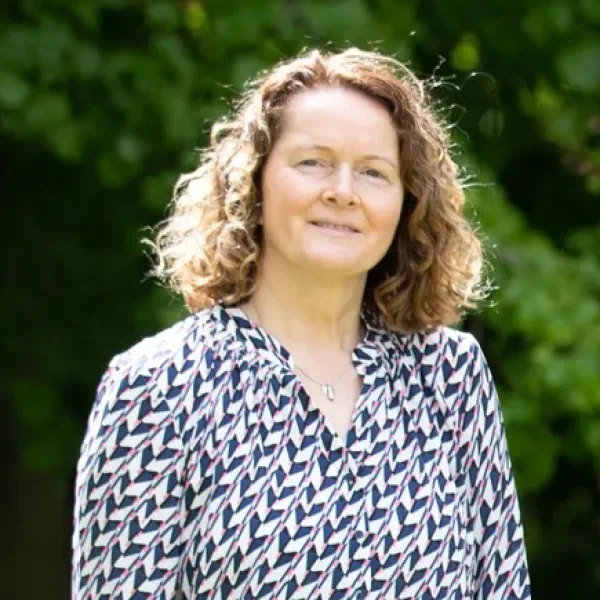
Dr Shivaun O’Brien: Associate Dean for Professional Development and Partnerships
The DCU Partnership for Learning programme of free professional development is offered exclusively to staff in primary, post-primary, special schools, early childhood education, and further education and training settings that host our students on placement. We value the partnerships that have developed over the years with our placement settings. Each year these sectors provide thousands of learning opportunities for DCU education students, as well as many hours of professional mentoring, support and encouragement. We recognise and promote the importance of professional learning for educators across all sectors and we are delighted to provide key learning processes as part of Cosán, the Teaching Council framework for teacher's learning.
Dr Shivaun O'Brien
Associate Dean for Professional Development and Partnerships
How does it work?
Every year, DCU develops a suite of non-accredited courses which are delivered over an academic year. The full programme of courses for the new academic year is updated on this website each summer, and communicated to our eligible placement settings every September. Principals/ Centre Managers are advised to circulate the information and enrolment details to all staff and encourage staff to participate in the courses provided. On campus and online (via Zoom) courses generally take place between October and April each year. On-demand courses can be availed of at any stage.
I advise interested staff to book early, where relevant, in order to avoid disappointment as maximum numbers apply. I welcome any queries, comments or recommendations you may have in relation to the programme of professional development and I look forward to your engagement in the courses outlined.
Please Note: Eligible settings are those that offer to host our students on placement in the academic year during which courses are being provided and also those that offered to host students in the previous academic year.




Partnership for Learning sector coordinators
The selection of courses provided to settings is coordinated by a member of our Professional Development and Partnerships Committee, each of whom has sector specific knowledge and experience. If you have any sector specific queries or recommendations, please contact the relevant sector coordinator at: partnership4learning@dcu.ie.



Partnership with Placement Settings
DCU Institute of Education: Vision for Partnership with Placement Settings
Building on years of engagement with schools at different levels, the vision aims to ensure that the relationship is more structured and reciprocal. The partnership has three key aspects as outlined below:
- Supported Placement: We aim to build on and improve our systems for engaging with settings in relation to placement
- Provision of PD to Cooperating Settings: We aim to recognise the support of settings through the provision of a high quality programme of PD
- Research and Development: We aim to explore opportunities for research and development with partner settings