

Dr
Ashling
Bourke
Academic biography
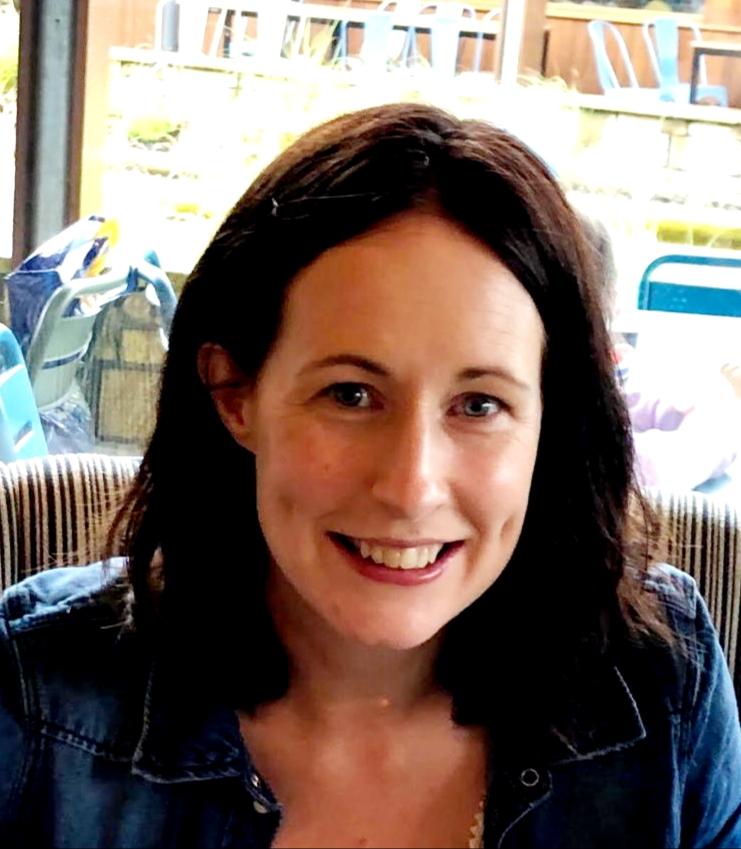
Dr Ashling Bourke is an Associate Professor in Psychology and Human Development at the Institute of Education. Her research and teaching interests include the processes that impact on child and adolescent wellbeing, children's rights, and understanding climate change using a psychological lens.
Ashling is the cross faculty representative for Human Development and she teaches modules on social psychology, wellbeing, learning, research methods, and developmental psychology. She has an active research profile the intersection of Psychology, Rights, and Education.
Her current research projects inlcude;
- Adolescent engagement in climate change eduaction
- Climate change and mental health and wellbeing
- School's roles in child protection
- Understanding sexual health and Relationships and Sexuality Education
- Psychological correlates of bullying behaviour
- Arts based methodologies and the study of climate change
Ashling completed her BA (hons) in Psychology at the National University of Ireland, Galway, a Masters in Forensic Psychology at University College Cork, and a PhD at Trinity College Dublin. She has held a number of academic and research roles in Trinity College Dublin, Royal College of Surgeons in Ireland, and Dublin City University, as well as advocacy roles with children and vulnerable populations in Irish and UK NGOs.
Research interests
Children's rights
Climate change attidues, knowledge, and actions
Climat change and psychological wellbeing
Climate change education
Child abuse and child protection
Adversity and resilience
Sexual health
Sexuality and Relationships Education
Developmental forensic psychology