Overview

If you love physics and are interested in understanding how it can be applied to biomedical sciences, this is the course for you.
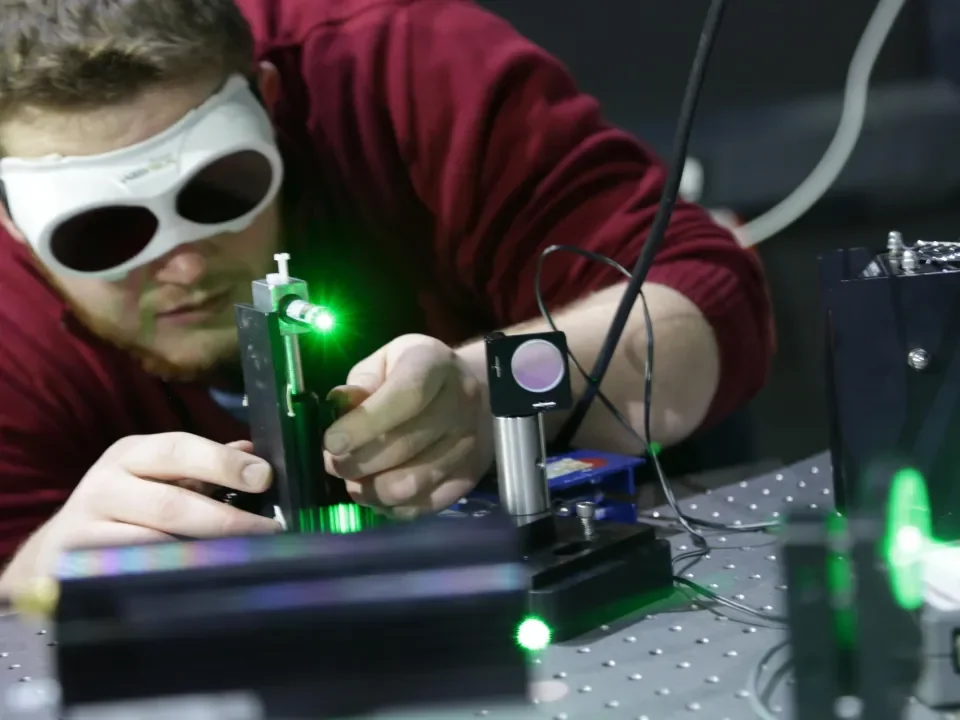
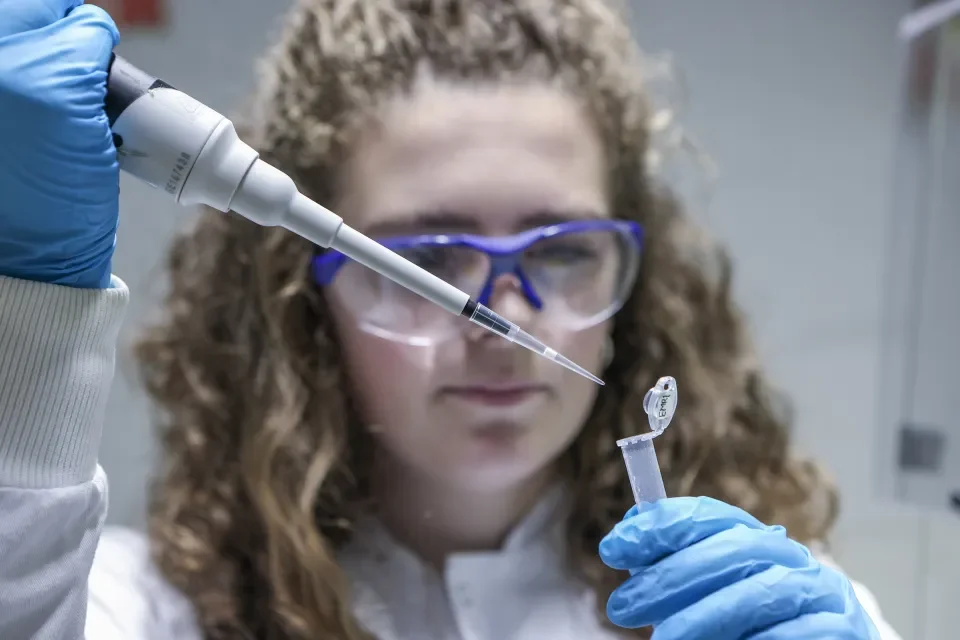
Physics with Biomedical Sciences overlays the principles that underpin the chemical, biological and life sciences on a solid physics background, while exposing you to the most recent biomedical developments. You’ll learn through lectures and tutorials, and by working in our state-of-the-art laboratories. You’ll also benefit from our small class sizes and learning from our award-winning teaching staff, who are also undertaking cutting-edge research.
Practical experience to apply the theory
In third year, you’ll get the chance to intern for an extended period in a hospital and experience the real medical environment. Alternatively, you can do a research placement at DCU or go on an industrial placement in areas such as medical/biological instrumentation, biotechnological applications or optical medical diagnostic applications.
Once you graduate, you will be qualified to work in a huge range of industries such as biomedical instrumentation, medical physics, image processing, or lasers and medical optical systems. Alternatively, you might find a design or management role in the fast-growing biomedical, biotechnology or healthcare sectors, or go on to further specialised training in medical physics to become a hospital physicist or undertake a PhD in the biomedical field.



DCU People
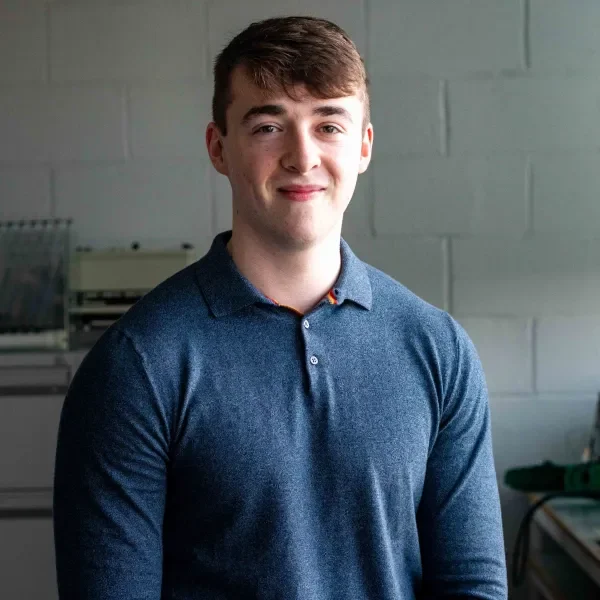
The physics courses in DCU sounded like my dream come true, but my narcolepsy meant I needed extensive additional support and accommodation.
Read more about Paul Cannon
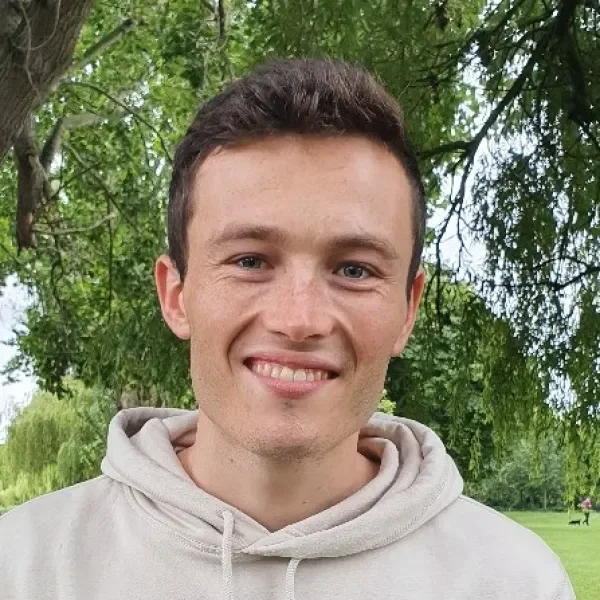
I didn’t always succeed at exams in my first two years at DCU, so I was determined to do things differently once third year arrived.
Read more about Harry Gribben
Careers & Further Options

Careers
Physics with Biomedical Sciences is a gateway to a wide range of careers. Armed with highly marketable skills, you will be a powerful addition to any workforce. As a graduate, you will be well placed to take on a career in areas such as biomedical instrumentation, clinical and diagnostic services, medical imaging and image processing, lasers and medical optical systems, to name just a few. You could find yourself in either a design or management role in any area of the fast-growing biomedical, biotechnology and healthcare sectors. You could also go on to further specialised training in medical physics in order to obtain the qualification of Hospital Physicist or undertake a research programme in medical physics or the biomedical sciences.
Further useful materials and resources on the many interesting and diverse career opportunities available to physics graduates are available on the Institute of Physics website.
- Biomedical Instrumentation
- Design Management
- Hospital Physicist
- Image Processing
- Lasers
- Medical Imaging
- Medical Optical Systems
- Research
DCU graduates are highly sought after by employers. Our Graduates work in environments ranging from large multinationals to SMEs, family businesses and start-ups across every sector.
DCU Careers Service has a number of learning and development initiatives in place for our students, giving them the skills they need for a successful career path.
Entry Requirements

There is no direct entry to the programme. All entries to this programme are via DC175 Physics General Entry.
Applicants that have completed at least one year of study at NFQ Level 6, 7 or 8 at another institution may apply to continue their studies on a similar programme at DCU. There should be substantial overlap in content between the two programmes to be considered for a transfer. Results and other supporting documentation must be submitted to CAO by the closing date of 1st July. This is a competitive application process for a small quota of advanced entry places. Offers are made on a rolling basis until all places are filled. Early application is advised. Please note: Applicants should also consider applying through the appropriate route for first year entry to the programme they are interested in. This application process is only for advanced entry.
There is no direct entry to the programme. All entries to this programme are via DC175 Physics General Entry. For further information on international applications click here.
Course Structure

You will enter BSc in Physics with Biomedical Science via the Physics General Entry route (DC175), confirming your choice at the end of Year 1.
In Years 1 and 2, you’ll learn the basic foundations of physics and the fundamentals of chemistry, cell biology, anatomy and physiology.
In Years 3 and 4, you’ll study a selection of more advanced physics topics, such as Wave Optics and Laser Physics, which underpin applications in the biomedical sciences.
You’ll also take modules at the interface between the physical and life sciences, such as Biomaterials & Processing Technology, the Physics of Medical Diagnostics and Image Processing & Analysis
INTRA
Also in Year 3, through the INTRA placement, you will have the opportunity to intern for an extended period in a hospital and experience the real medical environment. INTRA placements in private companies with business interests in medical/biological instrumentation, biotechnological applications or optical medical diagnostic applications, for example, are also possible.
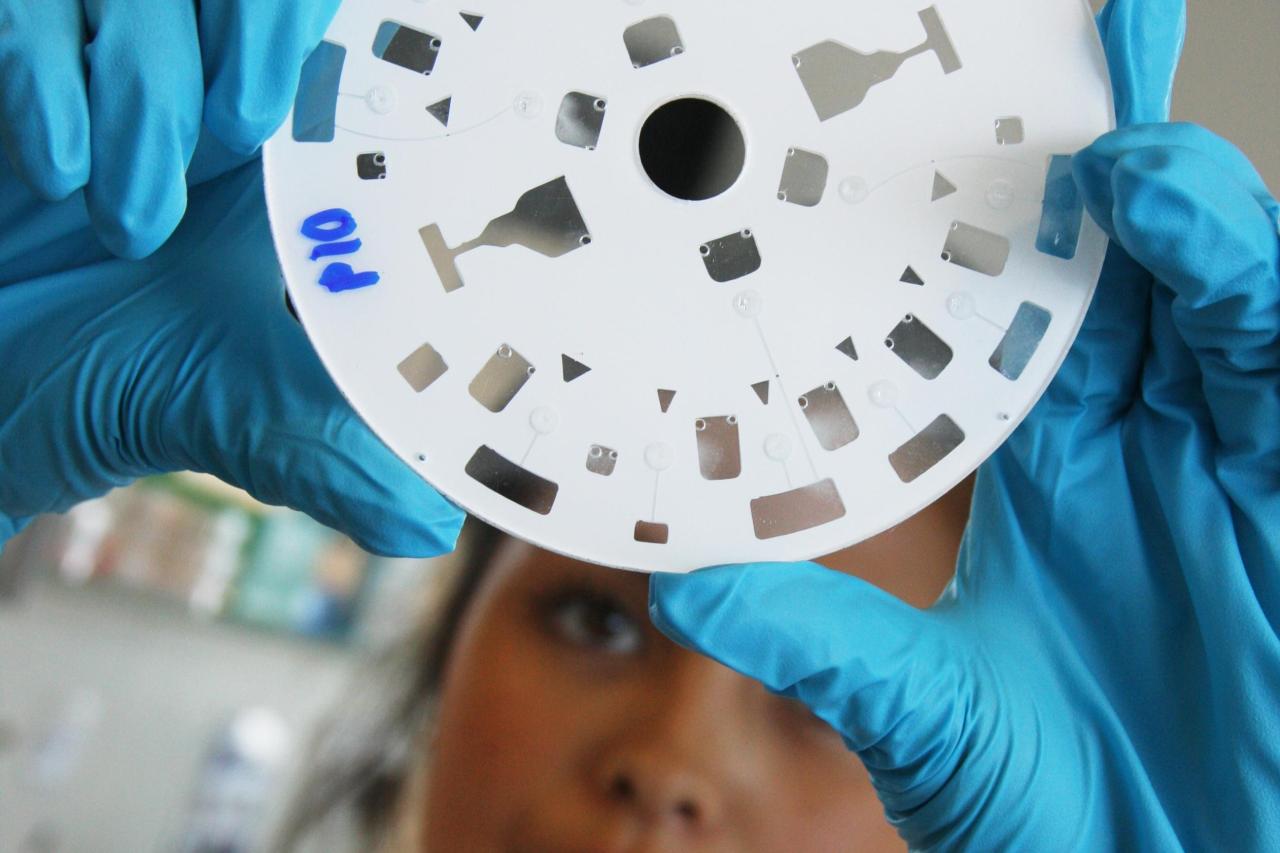
If you think you might like a career in research, there’s also opportunities to work in some of the world-leading research centres based in DCU, such as the Fraunhofer Project Centre for embedded bioanalytical systems (FPC@DCU).
How To Apply

There is no direct entry to the programme via CAO. All entries to this programme are via DC175 Physics General Entry.
There is no direct entry to the programme. All entries to this programme are via DC175 Physics General Entry. For further information on international applications click here.
There is no direct entry to the programme via CAO. All entries to this programme are via DC175 Physics General Entry.
Applications are made via the CAO Advanced Entry route which will open on the 06th November to the 01st July.
Please see Application Procedures or E-mail ugadmissions@dcu.ie.
There is no direct entry to the programme via CAO. All entries to this programme are via DC175 Physics General Entry.
Life On Campus

At DCU, our students can expect a unique campus experience. We are known for our excellent teaching and learning facilities, our active clubs and societies, and our great social and sporting facilities. All this makes DCU an exciting place to be.
DCU has three academic campuses; Glasnevin, St. Patrick’s and All Hallows (both in Drumcondra), all close to Dublin City centre.
They can be reached by public transport, Dublin Bus and Bus Éireann, with our Drumcondra campuses a ten minute walk from Drumcondra Train Station. Glasnevin is a 20 minute walk from St Patrick’s and All Hallows. They are also linked by Dublin Bus.
Each campus has a library (O’Reilly, Cregan and Woodlock Hall), study spaces, restaurants, and on-campus residencies. There are sports facilities on Glasnevin and St. Patrick’s, and there is a dedicated sports campus, St Claire’s, located near Glasnevin on the Ballymun Road.
DCU’s 19,000 students have access to exceptional teaching and learning facilities across our three academic campuses.
These include modern learning theatres, research centres, a new media and TV studio, radio/podcast studios, computer suites and advanced labs in the areas of Languages, Engineering, Physics, Chemistry and Biotechnology, as well as a Sports Performance centre and a training hospital ward. In 2021, we opened our first virtual reality ‘Leadership Lab’, which is located in our Business School.
We continue to improve and update our facilities. For example, construction of a new world-class STEM facility is underway on the Glasnevin campus. With capacity for an extra 3,000 STEM students, this facility will advance DCU’s international reputation for excellence in science and health, computing and engineering disciplines.
Studying in DCU isn’t just about course work. The university is rich in student life and activities.
There are more than 140 clubs and societies for students in DCU, with ‘Clubs & Socs’ days taking place on both the Glasnevin and Drumcondra campuses at the start of the academic year. They span everything from rugby to rock climbing, anime to jazz.
For many students, sport is an important part of the DCU experience. DCU’s Sports Complex boasts a 25 metre swimming pool, fitness centre gym, all-weather pitches and squash courts, as well as soccer, GAA and rugby pitches. DCU Dóchas Éireann, the university’s GAA club, is the largest third level Gaelic Games club in the country. Meanwhile, DCU Athletics has been Ireland’s highest achieving university club for many years. And DCU has dozens of other clubs to get involved in, from Archery to Weightlifting.
The Glasnevin campus is home to our purpose built, state-of-the-art student centre, The U, which serves the needs of a rapidly growing student body. Here, you will find the Student Leadership and Lifeskills Centre, performing arts and cultural spaces for students and the wider community, and the Entrepreneurship and Innovation Hub. Also located on our Glasnevin campus is The Helix, our renowned performing arts centre.
On our St Patrick’s campus, we have the Java Student Hub, a vibrant, warm and welcoming space where students can meet for coffee, play music, use the projector to watch events, or just relax. The walls of the Java Hub were designed based on the cultural history of St Patrick’s Campus, including the special references to the notable sporting history and history of the arts.
We have a number of academic, professional and social supports for students.
Student Advice & Learning Skills Centre - Offers a wide range of supports and services to students and advice
The Writing Centre - drop-in writing workshops for students through the academic year
Maths Learning Centre - provides maths support for students of all ability levels with maths modules
Student Learning - facilitate the transition from passive to active learning for students at DCU, by teaching study skills, nurturing critical thinking and building student confidence.
Careers work with students to help them on their professional journey into graduate employment.
Our student support team offers a comprehensive support programme, helping students make that all important transition into university life and focusing on building confidence and skills which are key to success at third level.
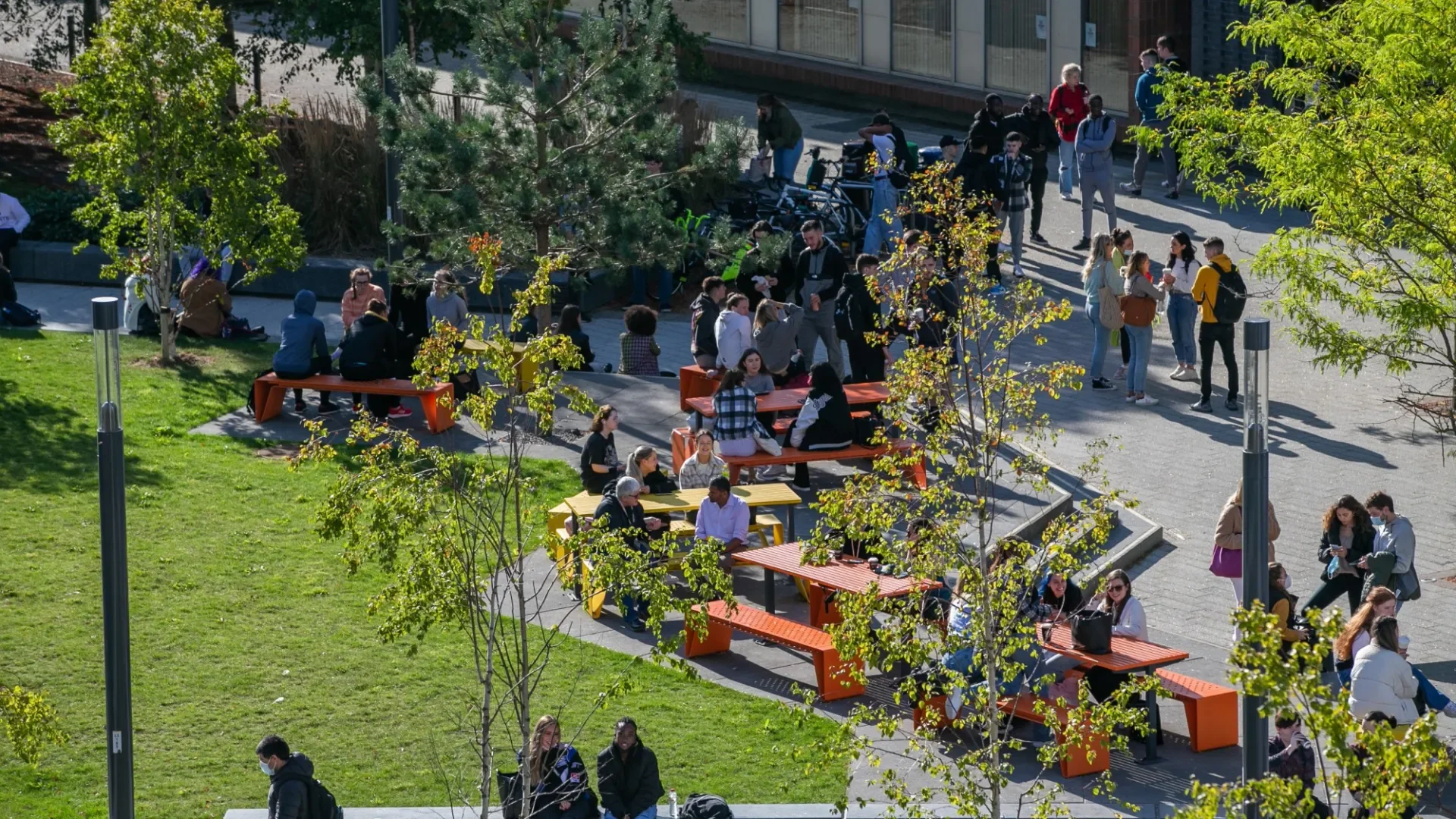
DCU Glasnevin Campus
FAQs

Is DCU all one campus?
DCU is a multi campus university - the Glasnevin, St Patrick's and All Hallows campuses. The St Patrick's campus is where the Education courses are taught and some of the subjects from the BA Joint Honours degree. There is a 20-25 minute walk between the campuses but there are buses and bikes available to go between them also.
Click here to see maps of all of our campuses
If I'm studying on the St Patrick's campus, can I use the library and sports centre on the Glasnevin campus?
Yes, all facilities such as sports and accommodation are open for all DCU students to avail of.
Are there libraries in DCU and if they have wifi and work stations?
We have a brand new state of the art four floor library on our St. Patrick's Campus which complements the existing library on the Glasnevin campus. There is free wifi, work stations as well as desktop computers.
Does DCU provide accommodation?
DCU does have on-campus accommodation for undergraduate and postgraduate students, and you can find out more and apply via the Accommodation Office webpage.
Have You Considered?